A note from Gary Abrahams
Here’s what we have to learn from Sarah Ruhl’s Eurydice
To explore the myth of Orpheus and Eurydice is to sit with the impossible human longing to hold onto those we love, even as time, grief, and mortality insist upon their disappearance.
When Sarah Ruhl wrote this play, she was not simply adapting a Greek myth. She was writing a love letter to her father after his death — constructing through theatre a conversation she could no longer have in life. That knowledge changes everything about Ruhl’s play. The myth of Orpheus and Eurydice remains its skeleton, but its heartbeat is elsewhere. Beneath the poetry, the wit, the dream logic and theatrical invention, lives a daughter’s grief.
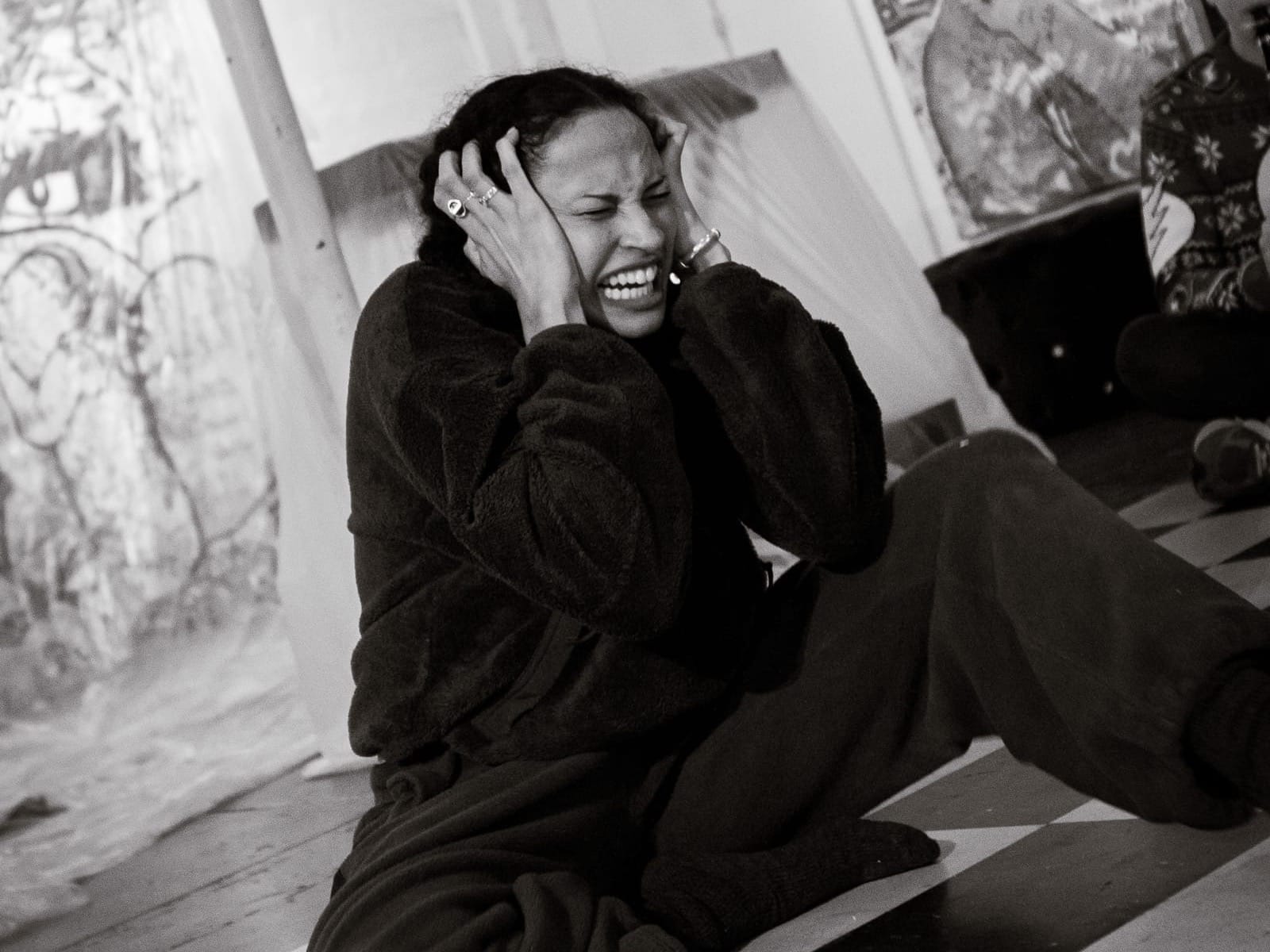
Traditionally, the myth privileges Orpheus — the grieving musician descending into the Underworld to reclaim his lost bride. Eurydice herself is often little more than an object of longing, silent and idealised. Ruhl radically re-centres the story. Here, Eurydice becomes not merely the beloved who is lost, but the central figure of the story: intelligent, uncertain, sensuous, frightened, curious. A young woman pulled between worlds — between romance and family, eros and memory, future and past.
At its centre is the relationship between a daughter and her father. In the Underworld, language dissolves. Memory erodes. Identity itself begins to fragment. And yet the Father patiently teaches Eurydice how “to be whole” again. Its central thesis asks ‘What are people?’ It suggests that “people” are made up of stories, memories, experiences. We are made of all that we have lived.
A performance vanishes the moment it is created. It lives only in memory, and memory itself is unstable.
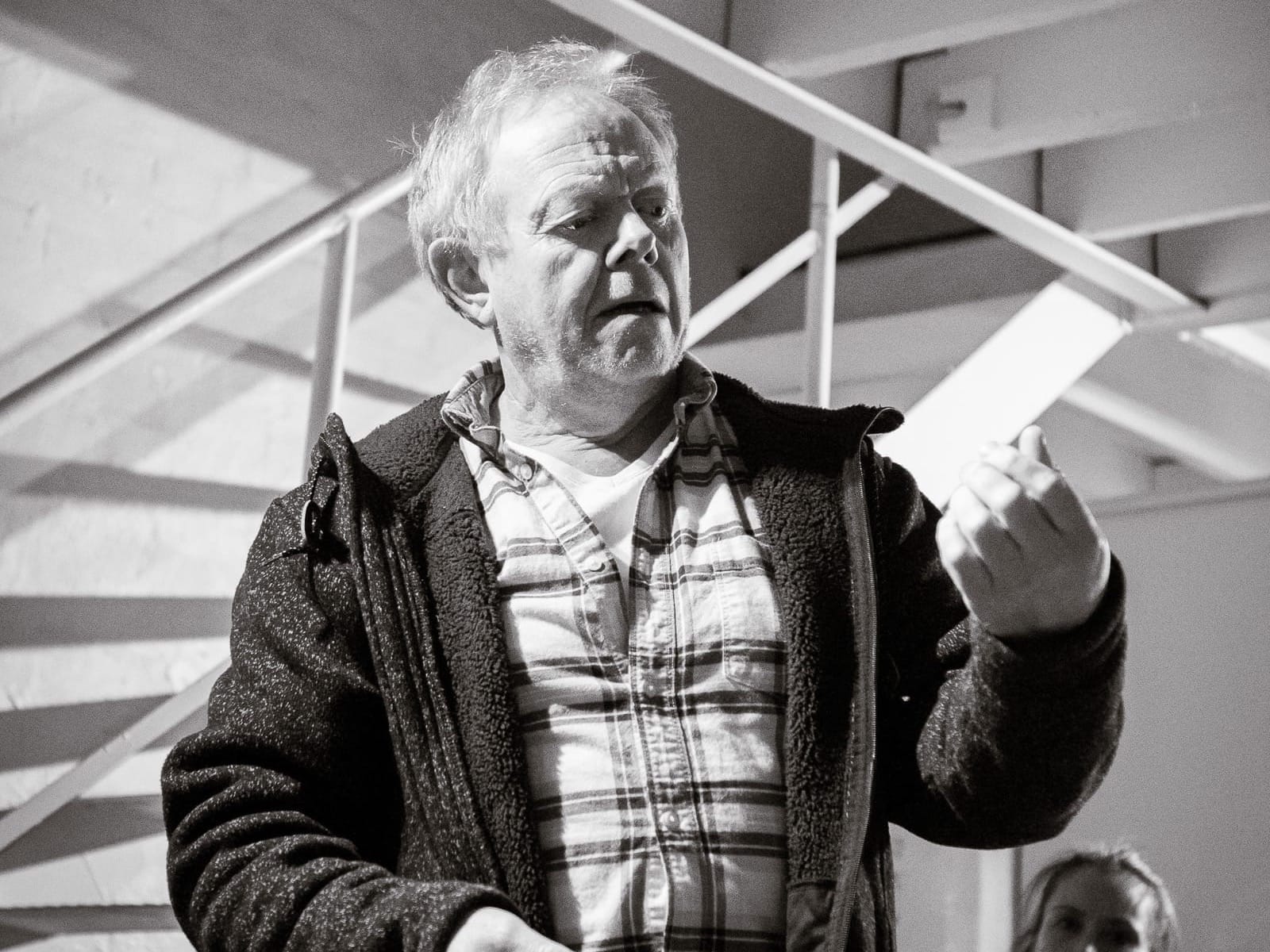
The process of creating this production has, in many ways, been a process of interpreting Ruhl’s poetics. Her writing is filled with theatrical images so vivid and specific they can initially appear prescriptive — elevators raining water, rooms constructed of string, stones speaking in chorus. But in the rehearsal room, I became increasingly interested not in treating the text as a map to be followed faithfully, but as a springboard into something more personal, to me, and to the actors and collaborators.
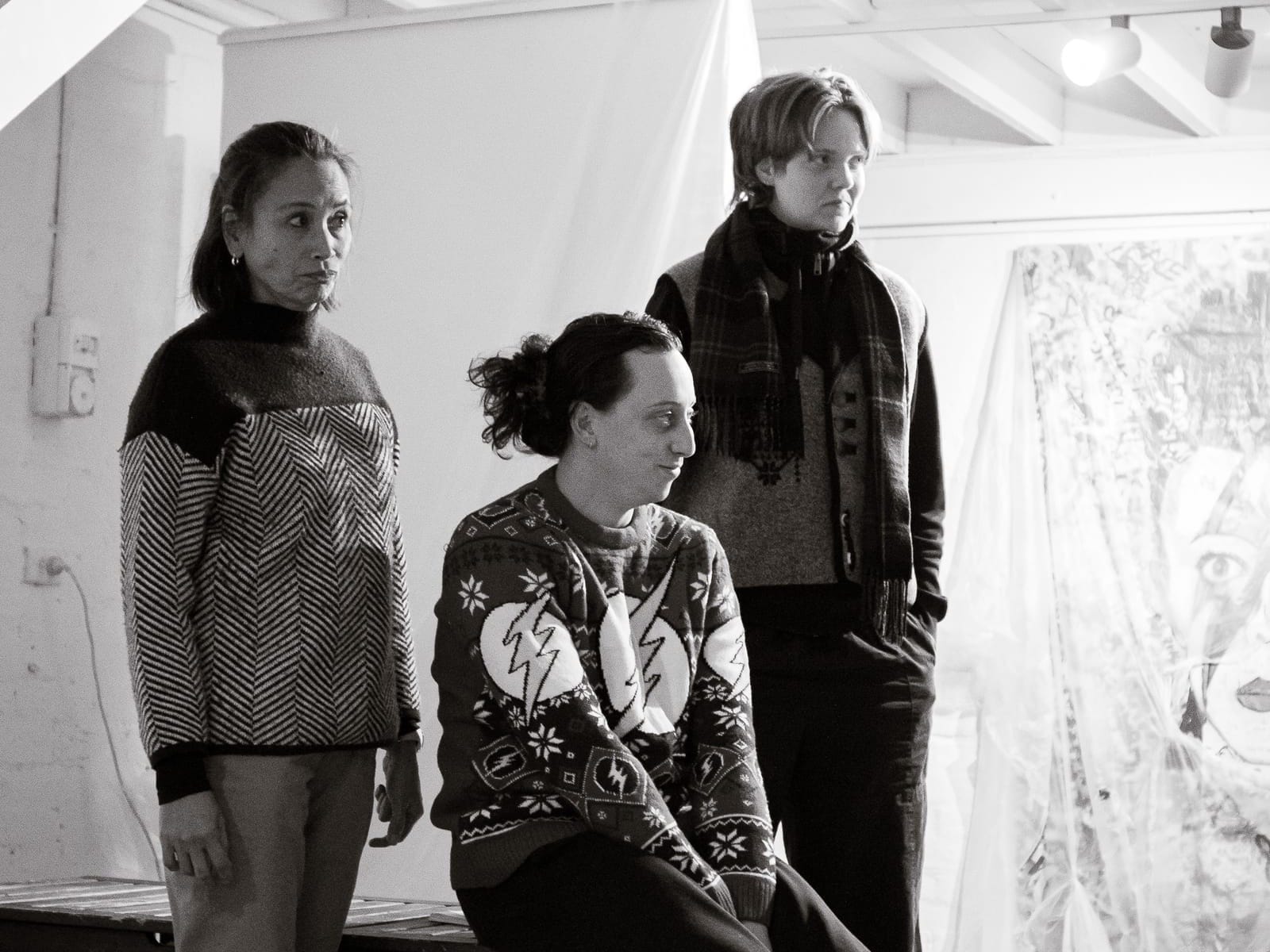
Working alongside this extraordinary ensemble and creative team, we began with the given circumstances of the story, the clues embedded within the text, and our own relationship to the ancient myth itself. Rather than illustrating Ruhl’s images literally, we asked what emotional and psychological realities might live beneath them. In doing so, we found ourselves arriving somewhere murkier and more dangerous than we had initially anticipated.
This production has gradually become less interested in the Underworld as a whimsical theatrical conceit, and more interested in it as a destabilised psychic terrain — a place shaped by grief, desire, memory and longing. A place where identity dissolves and reforms unpredictably. The world of the play behaves like memory itself: fragmented, repetitive, sensual, irrational. Time loops. Language slips. Love persists long after logic fails.
For me, music feels like the closest thing we might possess to communication with other realms.
Music became central to our exploration very early in the process. It felt impossible to approach the myth of Orpheus without seriously confronting the question of music itself. Orpheus is, after all, not simply an artist, but a musician. His power does not emerge through force or reason, but through song. I became fascinated by the idea that music might be the one language capable of reaching the Underworld. Where speech fractures and meaning deteriorates, music continues to move freely between worlds. Music bypasses logic. It enters directly through the body, through sensation, through feeling. It can summon memory with terrifying immediacy. It can hold contradictions simultaneously — ecstasy and sorrow, tenderness and violence. For me, music feels like the closest thing we might possess to communication with other realms.
As a result, this production treats music not as accompaniment, but as a primary storytelling force. At times it operates almost as an extension of Orpheus himself — his longing made audible, his grief reverberating through space long after language has failed him. Music becomes the thread connecting worlds. A vibration crossing impossible distance.
The play asks difficult questions about memory itself. Is remembering always an act of love? Or can memory also become a burden that traps us between worlds? There is a quiet cruelty in the fact that survival sometimes requires forgetting. The dead relinquish language because language carries pain. To remember fully is to continue grieving. And yet forgetting comes at a cost. Without memory, who are we?
Beneath the poetry, the wit, the dream logic and theatrical invention, lives a daughter’s grief.
I have always been drawn to theatrical forms that allow contradiction to coexist without resolving it. Like dreams, like music, like grief itself, this play refuses naturalism. It asks us to inhabit metaphor emotionally rather than intellectually. The images in Eurydice are not decorative surrealism; they are emotional truths rendered theatrically visible.
At its heart, this production asks what remains after loss. What survives when language fails, when memory fades, when bodies disappear. Perhaps the answer lies not in permanence, but in fleeting connection — in the fragile act of reaching for one another despite knowing we cannot hold on forever.
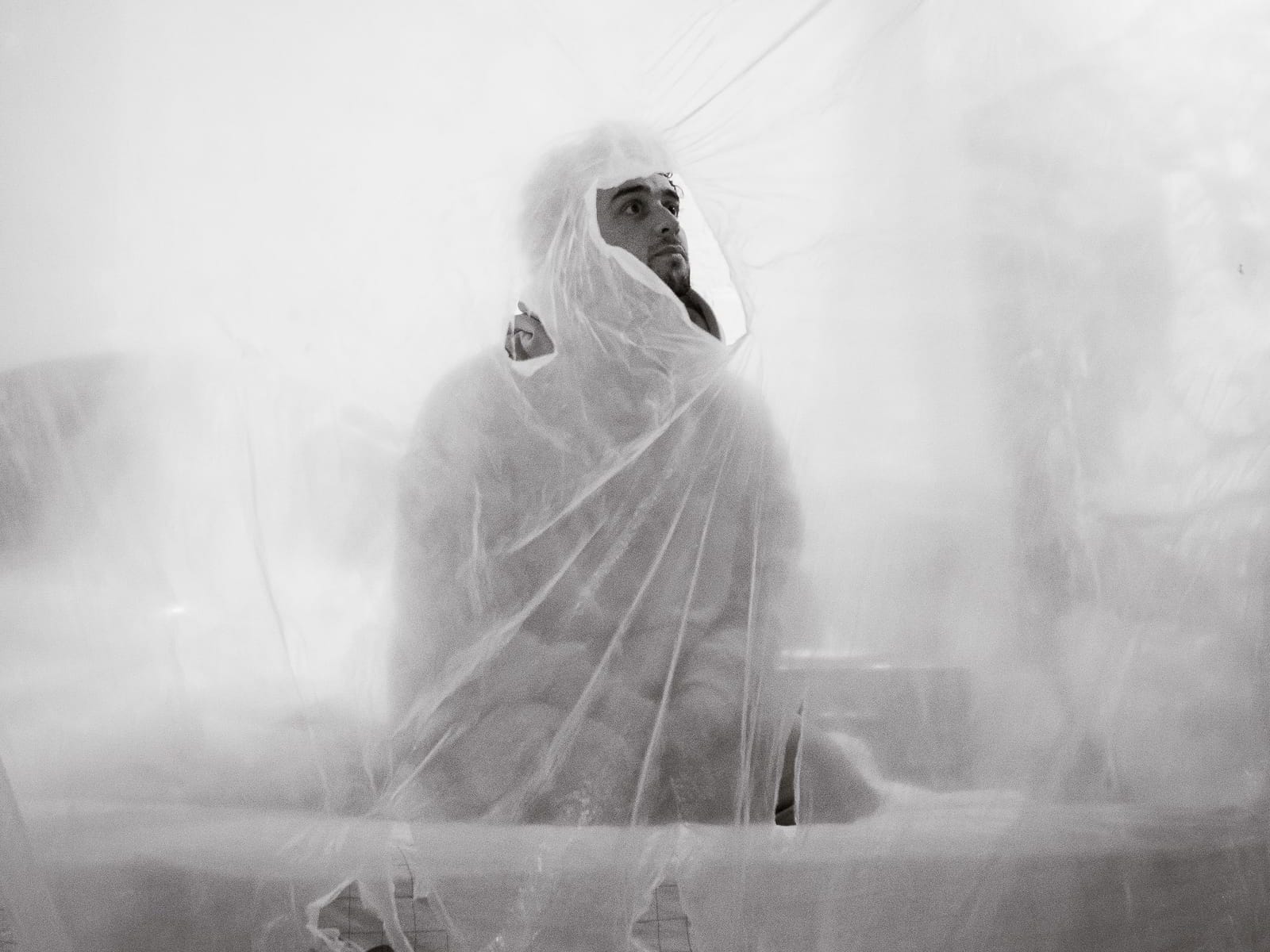
Theatre itself is such an act. A performance vanishes the moment it is created. It lives only in memory, and memory itself is unstable. There feels something beautifully fitting, then, about encountering Eurydice together in a theatre: a temporary gathering of strangers witnessing a story about impermanence, love, and the unbearable necessity of letting go.
I have such deep gratitude for the actors and creatives who have collaborated on this work so fearlessly and generously. It’s a work that has slowly revealed itself to us in layers, and will continue to do so throughout the season; continuously reaching towards something that remains tantalisingly just out of reach. I can think of no better metaphor for life itself…..
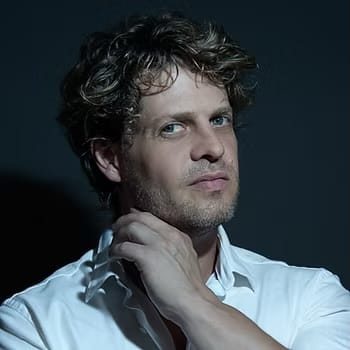
Gary Abrahams
Director — Eurydice at fortyfivedownstairs
We hope you’ll be able to join us for Eurydice by Sarah Ruhl, which opens tonight at fortyfivedownstairs and runs until the 14th of June. You can book your tickets in via the fortyfivedownstairs website.